Staines Railway Station area rubbish collection options
If you are trying to clear rubbish near Staines Railway Station, the job can feel oddly fiddly. One minute it is a couple of black bags and a broken chair; the next it is cardboard, garden waste, a wobbling wardrobe, and a timetable you are trying not to miss. The good news is that there are sensible Staines Railway Station area rubbish collection options for homes, landlords, shops, offices, and anyone dealing with a one-off clear-out. This guide walks you through how those options work, what they suit best, where people usually go wrong, and how to make a clean, practical choice without overcomplicating it.
We will keep it grounded and useful. No fluff. Just the sort of advice that helps when you need rubbish gone, the pavement is busy, and you would rather not spend half the day figuring out what happens next.
Table of Contents
- Why Staines Railway Station area rubbish collection options matters
- How the collection process works
- Key benefits and practical advantages
- Who this is for and when it makes sense
- Step-by-step guidance
- Expert tips for better results
- Common mistakes to avoid
- Tools, resources and recommendations
- Law, compliance, standards, or best practice
- Options, methods, or comparison table
- Case study or real-world example
- Practical checklist
- Conclusion
- Frequently asked questions
Why Staines Railway Station area rubbish collection options Matters
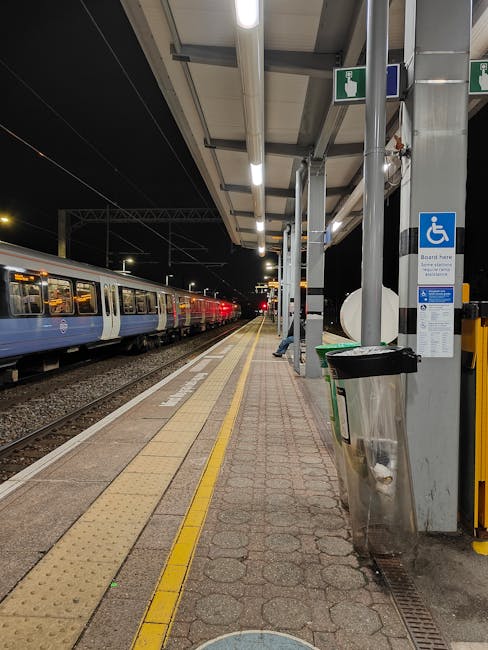
The station area is a very specific kind of place. You have foot traffic, transport schedules, nearby homes, shops, commuters, and often limited time to do anything messy. That changes the kind of rubbish collection that makes sense. A van pulling up at the wrong moment can create a bottleneck. A pile left outside too long can attract attention for all the wrong reasons. And if waste is mixed up badly, you can end up paying more or needing another collection entirely.
That is why the best rubbish collection choice near Staines Railway Station is rarely just about removing waste. It is about timing, access, waste type, and how quickly you want the area cleared. A simple household tidy-up is one thing. A shop refit, student move-out, or office declutter is another. The right option saves time, reduces stress, and keeps the space usable. Truth be told, the wrong option often costs more than people expect.
There is also a trust issue. When waste is taken away properly, you want confidence it will be handled responsibly, not dumped somewhere it should not be. That matters to residents, landlords, business owners, and anyone trying to keep the area clean and sensible around the station.
Quick expert view: Near a busy transport hub, the best rubbish collection is usually the one that is fast, clear on pricing, easy to schedule, and suited to mixed loads without turning the whole day into a faff.
How Staines Railway Station area rubbish collection options Works
Most rubbish collection services follow a similar pattern, even if the job itself looks different from one property to the next. You identify what needs removing, decide whether it is general waste, bulky waste, garden debris, furniture, or building materials, then arrange a suitable collection window. The team arrives, loads the items, and takes them away for sorting, disposal, or recycling where possible.
Near the station, the practical details matter more than people think. Can a van stop safely? Is there a narrow access point? Are there stairs? Is it a flat above a shop or a ground-floor unit with rear access? Small things like that affect speed, labour, and the final price. You will also want to think about whether the waste is already bagged or whether items need dismantling first. A bed frame in pieces is easier than a whole bed, and cardboard flattened down is easier than a mountain of half-open boxes with that lovely sharp, papery smell that somehow gets everywhere.
There are usually a few broad approaches:
- Household or flat clearance for domestic clutter, furniture, and mixed household rubbish.
- Furniture disposal when sofas, wardrobes, tables, or white goods need removing.
- Office clearance for desks, chairs, IT waste, and business clutter.
- Waste removal for mixed loads that do not fit neatly into one category.
- Specialist clearances for lofts, garages, gardens, or builders' waste.
In practice, most people do not need a complicated service. They need a provider that can look at the load, understand the access, and get on with it without making a drama of the whole thing. Simple, but not simplistic.
Key Benefits and Practical Advantages
The biggest advantage is convenience, of course. But that is only the start. The real value comes from reducing the hidden cost of doing it yourself: time, effort, repeated trips, and the risk of getting the disposal wrong.
Here are the main benefits people notice most:
- Speed: useful when you need the area clear before a move, handover, inspection, or opening time.
- Flexibility: handy for mixed waste, awkward items, and loads that do not suit a standard bin or one-off trip to the tip.
- Less disruption: especially around the station where parking and loading can be awkward.
- Better presentation: important for landlords, letting agents, retailers, and offices.
- Improved safety: fewer trip hazards, sharper edges, or heavy items left in walkways.
- More sensible sorting: recyclable materials can be separated more effectively than if everything is bundled into one panic pile.
There is also a quieter benefit people forget: peace of mind. When the rubbish is gone, the room, yard, or shop floor feels lighter. You notice it straight away. Less clutter, less noise in your head. Sounds dramatic, maybe, but anyone who has done a serious clear-out knows exactly what that feels like.
Who This Is For and When It Makes Sense
Staines Railway Station area rubbish collection options suit a wide range of people. Some need a one-off collection after a move. Others need a regular solution because business waste builds up quickly. And some just need a blunt, reliable fix because the pile in the corner has gone from temporary to irritating.
Common situations where these options make sense
- Homeowners and tenants: after redecorating, downsizing, or sorting out a neglected room.
- Landlords and letting agents: after tenancies, especially where items are left behind.
- Shop owners: for packaging, display units, stockroom clutter, or refit waste.
- Office managers: for desks, filing, chairs, and old equipment.
- Trades and property teams: for builders' waste, strip-out debris, or site tidying.
- People with limited transport: if you cannot easily move bulky items yourself.
It also makes sense when timing matters. For example, if you are expecting guests, handing over keys, or trying to reopen a room quickly, waiting around for council collection dates may simply not be practical. Sometimes you just need the thing gone. Fair enough.
When a different approach may be better
If you only have one small bag of rubbish, a standard bin system may be enough. If you are dealing with recurring commercial waste, a dedicated business arrangement may be more efficient. And if the waste includes hazardous items, you should stop and check what special handling is needed before anything gets moved.
Step-by-Step Guidance
If you want the smoothest possible experience, it helps to follow a simple process. Nothing fancy. Just a method that avoids last-minute confusion.
- Sort the waste first. Separate general rubbish, recyclables, furniture, garden waste, and anything potentially restricted or hazardous. Even a rough sort helps.
- Identify access issues. Note steps, narrow hallways, parking limits, loading restrictions, and whether items need carrying from upstairs.
- Estimate volume honestly. People often underestimate how much space a clear-out takes. That old wardrobe always looks smaller when it is still standing.
- Choose the right type of collection. Domestic clearance, office removal, furniture disposal, or builders' waste each has different practical needs.
- Ask about sorting and disposal. A responsible provider should be able to explain what happens to different waste streams in plain English.
- Confirm timing and loading plan. Around the station, the collection window matters. Morning and late afternoon can be busier than you expect.
- Prepare the items. Bag loose waste, empty containers where sensible, and dismantle larger items if you can safely do so.
- Keep a final check list. Look behind doors, under stairs, in cupboards, and around outdoor storage before the team leaves.
That last step sounds obvious, but honestly, it saves more headaches than you might think. People forget loft corners, shed shelves, and that one awkward drawer full of cables. We have all done it.
Expert Tips for Better Results
A few small decisions can make a big difference to price, speed, and overall smoothness.
- Flatten cardboard: it reduces bulk immediately and makes loading cleaner.
- Keep recyclable items separate: clean cardboard, metal, and some wood are often easier to handle when separated.
- Measure bulky items: especially sofas, wardrobes, and desks. A quick tape measure can prevent surprises.
- Photograph the waste: useful if you are requesting a quote remotely.
- Clear access before collection day: move cars, bikes, planters, and anything blocking the route.
- Ask about lifting assistance: do not assume heavy items are fine without warning. Better to be direct.
- Plan around station traffic: if the area gets busy at certain times, choose a quieter window if you can.
If you are dealing with a mixed household or office load, it often helps to decide what absolutely must go first. Not every item needs overthinking. A wobbly filing cabinet is not a moral puzzle. It can just go.
One more useful tip: think about the end state, not just the removal. If the room will be used immediately after collection, ask for the space to be left swept or tidy if that is part of the arrangement. A clean finish changes the whole feel of the job.
Common Mistakes to Avoid
People usually get into trouble for one of three reasons: poor sorting, bad timing, or vague expectations. The station area adds a few extra traps of its own.
- Leaving it until the last minute: if access is tight, rushing makes everything harder.
- Mixing prohibited items with general waste: this can delay the job or change how the load has to be handled.
- Assuming all rubbish is the same: it really is not. Furniture, builders' waste, and domestic rubbish are handled differently in practice.
- Ignoring parking or loading limits: near transport corridors, this can create avoidable stress.
- Not checking what is included: labour, lifting, disposal, and waiting time may not all be covered in the same way.
- Forgetting behind-the-scenes spaces: lofts, garages, storage cages, and under-stairs cupboards often hide extra loads.
The most frustrating mistake? Ordering a service that is too small for the actual job. Then the load is only half gone and everyone has to revisit the whole exercise. Not ideal, obviously.
Tools, Resources and Recommendations
You do not need a big toolkit, but a few basics make the job easier.
| Tool / Resource | Why it helps | Best for |
|---|---|---|
| Heavy-duty bin bags | Keep loose waste contained and easier to lift | General rubbish, household declutter |
| Gloves | Help protect hands from rough edges, dust, and grime | All types of clearance |
| Tape measure | Useful for bulky furniture and access checks | Sofas, beds, wardrobes, office furniture |
| Marker pen and labels | Makes sorting and separating items easier | Mixed loads, office clear-outs |
| Phone camera | Helps document the load for faster quoting | Remote estimates, planning |
| Flat-pack tools | Helps dismantle items safely before collection | Furniture, shelving, desks |
Useful local reading can also help. For example, if you are sorting waste by type, the site's recycling guidance is worth a look. If the clearance is tied to a home move or a big spring tidy, the house clearance and home clearance pages give you a better feel for the kind of jobs that are typically covered. For businesses, business waste removal and office clearance are especially relevant when the rubbish is part of a larger operational tidy-up.
If you are dealing with furniture specifically, the distinction between furniture clearance and furniture disposal can be useful. One is about removing the items; the other is more about the final handling. Subtle difference, but it matters when you are comparing what is included.
Law, Compliance, Standards, or Best Practice
Waste removal in the UK comes with responsibilities, and it is wise to treat them seriously. You do not need to be an expert in waste law to make a sensible choice, but you should avoid casual assumptions about what can be dumped, mixed, or left out for collection.
As a general rule, the key best-practice points are straightforward:
- Use a responsible collector: waste should be handled by people who know how to sort, transport, and dispose of it properly.
- Keep hazardous items separate: certain materials need special handling and should not be treated like household rubbish.
- Do not fly-tip: leaving rubbish in unsuitable places, even temporarily, can create legal and environmental problems.
- Check proof of disposal if needed: especially useful for landlords, letting agents, and businesses with audit trails.
- Match the service to the waste type: builders' waste, office waste, and home clutter are not identical from a handling point of view.
Local guidance also matters. Around Staines and the surrounding area, people often need waste removed in a way that fits with council expectations, landlord duties, and everyday neighbourhood standards. If you are unsure about a specific item, pause and ask before it gets mixed into the load. That small pause can save a lot of bother.
For a deeper look at practical waste rules and local context, the site's rubbish rules guidance for Staines is a helpful read, and the fly-tipping hotspots article gives a sensible reminder of why proper disposal really matters.
Options, Methods, or Comparison Table
Here is a practical comparison of common rubbish collection approaches near the station. The best option depends on the amount of waste, the type of items, and how quickly you need the area back.
| Option | Best for | Pros | Watch-outs |
|---|---|---|---|
| One-off rubbish collection | Mixed loads, urgent clear-outs, bulky items | Quick, convenient, flexible | May cost more than self-removal for very small loads |
| Furniture disposal | Sofas, beds, wardrobes, tables | Good for heavy and awkward items | Access and dismantling can affect pricing |
| House or flat clearance | Moves, end-of-tenancy, inherited contents | Wide coverage, less stress | Needs clear instruction on what stays and what goes |
| Office clearance | Desks, chairs, filing, IT clutter | Efficient for workspaces | Business waste may need more careful sorting |
| Builders' waste clearance | Refits, strip-outs, renovation debris | Handles heavier materials | May not cover all hazardous or specialist waste |
| Garden clearance | Green waste, broken outdoor items, soil and cuttings | Ideal after seasonal work | Wet green waste can be heavier than expected |
If your load is mixed, choose the method that matches the heaviest or most awkward part of the job. That is often the hidden decision-maker. A few bags and some broken furniture? It is not really a bag-only job. A loft full of old office chairs? Definitely think clearance, not casual disposal.
Case Study or Real-World Example
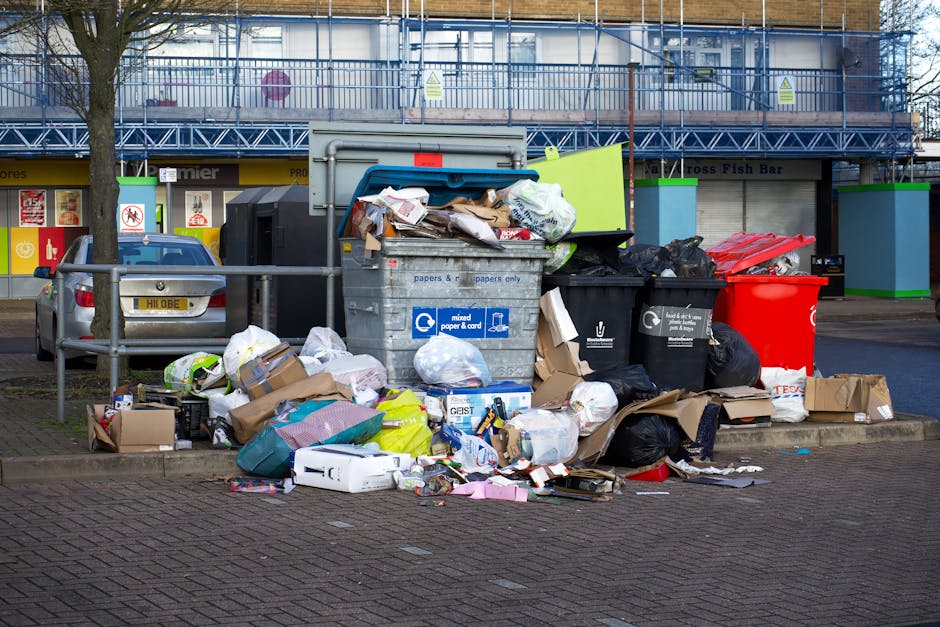
Picture a small flat near the station. The tenant has moved out, the landlord needs the space ready for new viewings, and the place contains a bed frame, a broken chest of drawers, several bags of mixed rubbish, and a stack of flattened packaging from recent repairs. Nothing dramatic, just enough to make the flat feel tired and a bit stuck.
The sensible approach is simple. First, separate anything recyclable from the general waste. Next, make sure the route out of the property is clear. Then measure the larger items so there are no surprises on collection day. If the bed frame can be dismantled safely, that helps too. In this kind of job, speed matters, but tidy handling matters just as much.
What usually makes the biggest difference is communication. The person arranging the collection explains the access, the volume, and what needs special handling. The crew arrives expecting a narrow stairwell and a mixed load, not a magical mystery heap in the hallway. Everyone saves time, and the flat is ready sooner. Pretty ordinary, really. But ordinary is good when you are trying to get things done.
Practical Checklist
Use this before booking your collection. It keeps the process cleaner and avoids those last-minute "oh, I forgot about that" moments.
- Identify the main waste types: general, bulky, green, building, or business waste
- Sort recyclable items where practical
- Measure furniture or large items
- Check access, parking, stairs, and loading points
- Remove anything you want to keep before the collection day
- Photograph the load if you need a quote
- Ask whether dismantling is needed
- Confirm whether the price includes labour and disposal
- Set a collection window that suits local traffic and building access
- Do a final sweep of cupboards, lofts, sheds, and storage corners
Practical summary: The best Staines Railway Station area rubbish collection option is the one that matches your waste type, access, urgency, and budget without creating extra admin. Keep it simple where you can, but do not guess on the awkward bits.
If you are comparing services or want to understand how pricing usually works, the site's pricing and quotes page is a sensible next stop, and the instant quote comparison guide is useful when you want to sense-check what you are being offered.
Conclusion
Choosing rubbish collection near Staines Railway Station does not need to be complicated, but it does need to be considered. The station area brings real-world constraints: traffic, access, timing, mixed-use buildings, and the general messiness of everyday life. Once you factor those in, the right option usually becomes clear.
If you sort the load, understand the access, and choose a service that fits the actual job, you save yourself time and a good deal of stress. That is the point, really. Not perfection. Just a smooth, sensible result that leaves the space clear and usable again.
Get a free quote today and see how much you can save.
And if you are still weighing things up, take a breath. Most clear-outs are easier once the first decision is made.
Frequently Asked Questions
What are the main Staines Railway Station area rubbish collection options?
The main options usually include general waste removal, house or flat clearance, furniture disposal, office clearance, garden clearance, and builders' waste collection. The best choice depends on the waste type, how much there is, and how easy it is to access.
Is it better to book a one-off collection or wait for council collection?
If you have a small amount of standard household waste, a regular council service may be enough. If you need bulky items removed quickly, or the waste is mixed and awkward, a one-off collection is often more practical.
Can I mix furniture, bags of rubbish, and cardboard in one collection?
Often, yes, but it depends on the provider and the waste type. Mixed loads are common, though it helps to separate obvious recyclables and flag any heavy or unusual items in advance.
How do I know if I need flat clearance or house clearance?
Flat clearance is usually the better fit if the property is an apartment, maisonette, or upstairs unit with limited access. House clearance is broader and suits whole-home clear-outs. If in doubt, describe the property and the access rather than relying only on the name.
What should I do before a rubbish collection near the station?
Sort the waste, clear access routes, measure bulky items, and remove anything you want to keep. If possible, flatten cardboard and dismantle furniture safely. A little prep goes a long way.
Are there items that need special handling?
Yes. Some items are treated differently because they may be hazardous, restricted, or awkward to dispose of properly. If you are unsure about a particular item, ask before the collection is booked.
How can I avoid paying more than necessary?
Be accurate about the amount of waste, separate items where you can, and share clear photos if requested. Surprises on the day are what tend to drive costs up or create delays.
Is rubbish collection suitable for businesses near Staines Railway Station?
Absolutely. Shops, offices, and other businesses often use these services for packaging, stockroom clutter, furniture, and refurbishment waste. Business jobs just need clearer planning and better sorting.
What happens to the rubbish after collection?
That depends on the waste type and the service used. Good providers will sort items for disposal or recycling where practical. It is sensible to ask how the waste is handled if environmental care matters to you.
How quickly can rubbish be collected?
Timing varies, but collections can often be arranged fairly quickly depending on demand and access. If your job is time-sensitive, mention that at the start so the schedule can be set realistically.
Do I need to be on site during the collection?
Usually yes, especially if the team needs access instructions or if items must be identified on arrival. Some jobs can be arranged with limited supervision, but that should be agreed in advance.
What is the best option for bulky furniture near the station?
Furniture disposal or furniture clearance is usually the best fit. If the items are part of a larger room-by-room tidy, a house, flat, or home clearance may be more efficient overall.
For more background on service types and related clear-outs, you can also explore the broader waste removal page, or read about garage clearance and loft clearance if the clutter is tucked away in harder-to-reach spaces.